
An almond cream with centuries of history, identity and culinary evolution
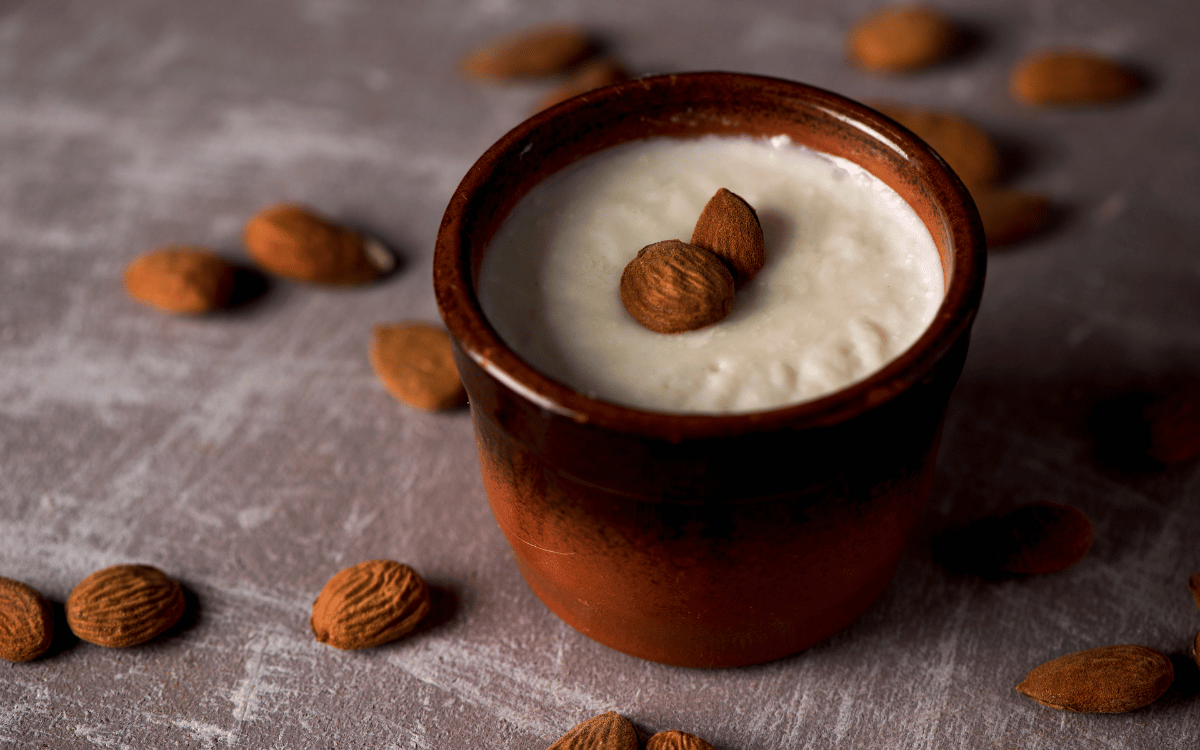
The manjablanca is one of the most representative examples of the richness of traditional Mediterranean gastronomy. It is a dessert of ancient origin made mainly with almonds, sugar and aromas such as cinnamon or lemon, which has endured over the centuries thanks to its simplicity and unmistakable flavor.
Beyond its recipe, the manjablanca It represents a way of understanding cuisine based on tradition, natural ingredients and the use of what the territory has to offer. This type of preparation was born at a time when gastronomy was very different from today, but was already looking for pleasant, nutritious and symbolic combinations.
Over time, the manjablanca It has gone from being an occasional preparation at parties and celebrations to becoming a sweet that can be enjoyed at any time. This evolution has been possible thanks to its adaptability and its timeless essence, which continues to captivate generations.
Historical origin and evolution of menjablanca in Mediterranean cuisine
The origin of the manjablanca It dates back to ancient recipes from the Middle Ages, when almonds were a widely used ingredient in sweet and savory cuisine. The first versions of this dessert were closely linked to convent cuisine and the culinary traditions of the time, where basic products such as almond milk, honey or sugar were combined.
With the arrival of sugar in Europe, these recipes evolved significantly. Textures were refined, flavors were balanced, and the taste began to consolidate. manjablanca as a sweet preparation in its own right, differentiated from other similar preparations.
For centuries, the manjablanca It was considered a special dessert, reserved for important occasions or family celebrations. Its preparation, often homemade, was passed down from generation to generation, which contributed to keeping the original recipe alive and consolidating it within the gastronomic heritage.
Today, it is still recognized manjablanca as one of the oldest preparations that have survived with relative fidelity to its original form, demonstrating the strength of the Mediterranean culinary tradition.
Characteristics, ingredients and nutritional value of menjablanca
What makes it special manjablanca is its simple but very balanced composition. Almond is the main ingredient, providing a creamy base and a mild flavor that defines the whole experience. To this are added natural aromas such as cinnamon and lemon peel, which provide freshness and a characteristic aromatic touch.
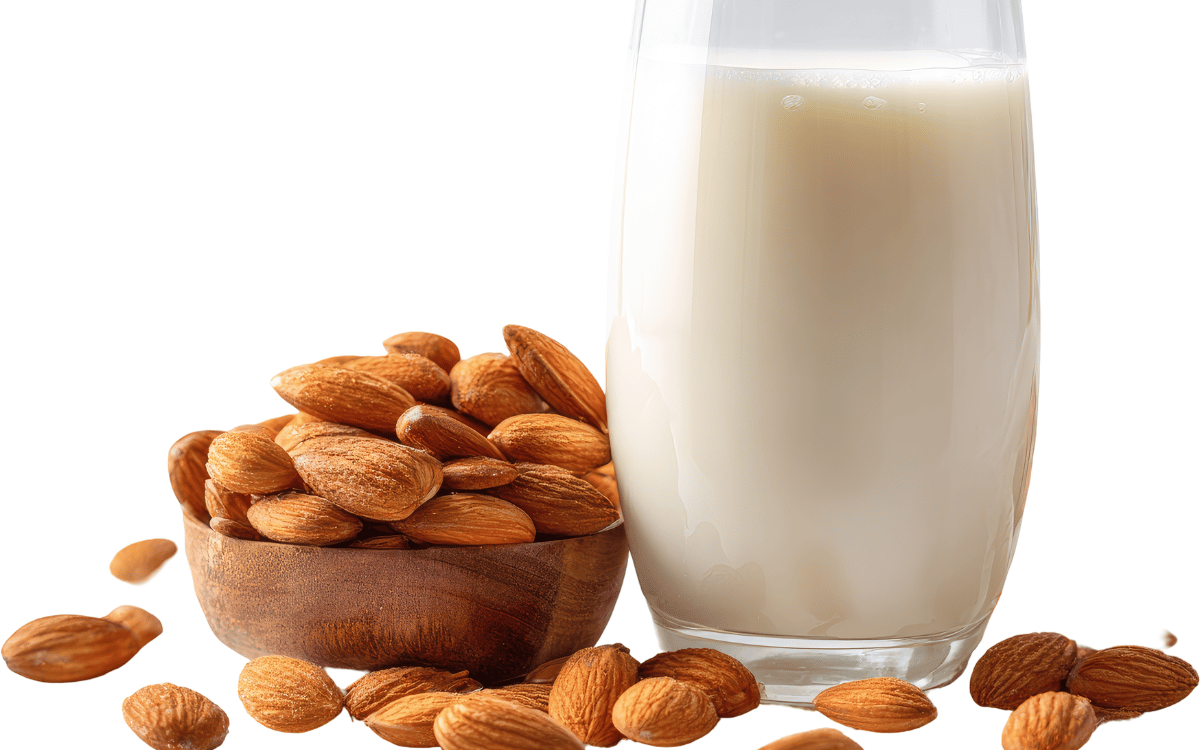
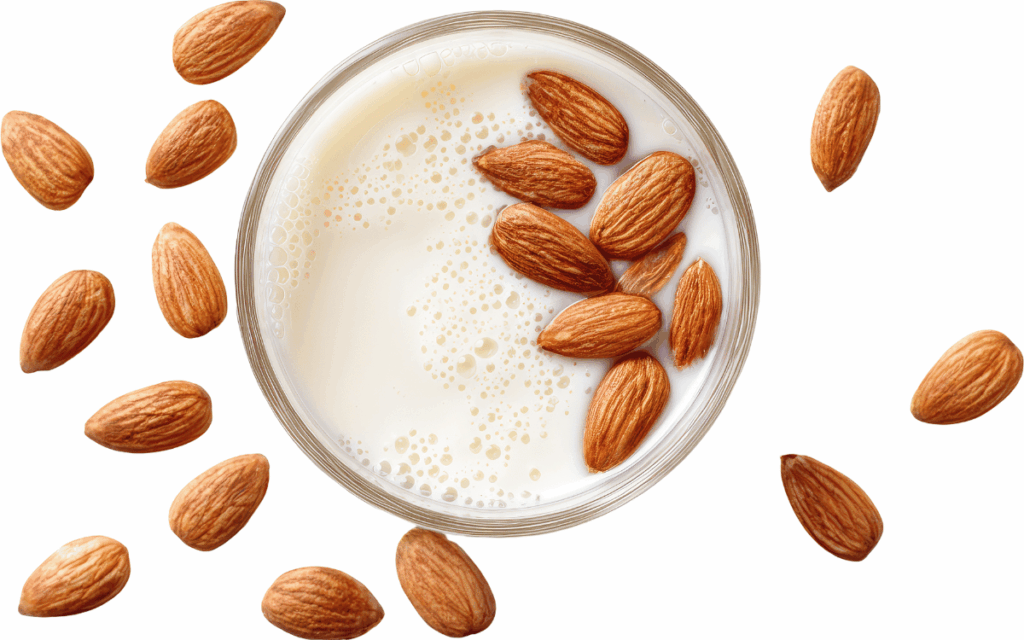
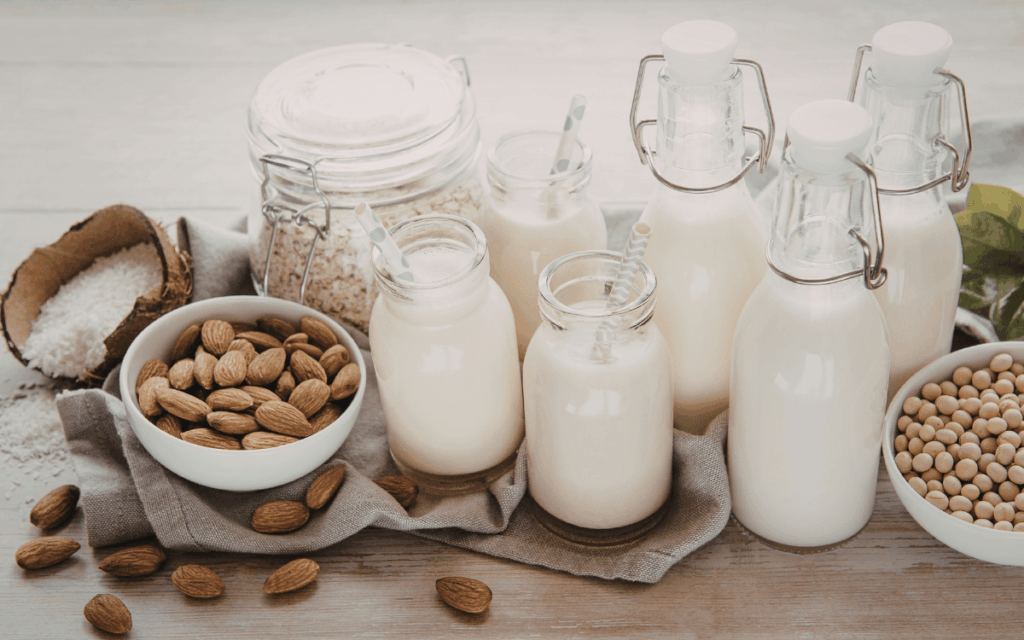
One of the great virtues of the manjablanca is its versatility. It can be prepared with different types of milk, including plant-based options such as almond or soy milk, making it a product adaptable to different dietary needs. This flexibility has contributed to its popularity today.
From a nutritional point of view, the manjablanca stands out for being a preparation rich in natural nutrients. Almonds provide healthy fats, vegetable proteins, fiber, vitamins and minerals such as magnesium or calcium. This makes them an interesting option within a balanced diet, as long as they are consumed in moderation.
In addition, its soft texture and sweet but balanced flavor make it manjablanca It is suitable for all ages, from children to adults, and ideal as a dessert or snack.

White meat in today's gastronomy and its modern adaptation
In recent years, the manjablanca has experienced a significant resurgence within the gastronomic world. The growing interest in traditional and artisanal products has led many people to rediscover this dessert as a natural alternative to industrial sweets.
This trend has also led to its modernization. The manjablanca It is now presented in more creative formats, such as individual glasses, gourmet desserts or reinterpretations with fruit, chocolate or nuts. These modern versions respect the original essence but provide a more contemporary visual and gastronomic experience.
It has also become a common element in restaurants and bakeries that seek to offer desserts with their own identity. manjablanca It fits perfectly in this context, as it combines tradition and sophistication without losing authenticity.
Its presence in contemporary gastronomy demonstrates that traditional recipes can coexist perfectly with current trends, as long as respect for the original product is maintained.
Homemade preparation and popularization of menjablanc
One of the reasons why the manjablanca has endured is its ease of preparation. The basic recipe is simple and does not require complex techniques, which has allowed it to be easily passed down from generation to generation.
The traditional preparation consists of infusing milk with almonds, cinnamon and lemon, thickening it with starch or fine flour and sweetening it to taste. The result is a soft, aromatic cream that is very pleasant to the palate.
This simplicity has made the manjablanca It is a very popular sweet in the home, as it can be prepared in a few minutes and with accessible ingredients. In addition, it supports multiple variations, which allows it to be adapted to personal tastes or dietary needs.
Cultural value and identity of menjablanc
Beyond its gastronomic value, the manjablanca It is also a cultural element of great importance. It represents the continuity of a culinary tradition that has managed to stay alive despite social and dietary changes.
This sweet symbolizes the connection with the past and the importance of preserving traditional recipes as part of cultural heritage. manjablanca It is, in this sense, an example of how gastronomy can also be memory and identity.
Its permanence over the centuries demonstrates that simple recipes, when well-crafted and culturally rooted, can transcend time and remain relevant.
Menjablanc: a living tradition within Mediterranean culinary culture
The manjablanca It is much more than a traditional dessert. It is an expression of Mediterranean gastronomic culture, a product with a history and a recipe that has managed to evolve without losing its essence.
Its combination of natural ingredients, its versatility and its cultural value make it a unique sweet that continues to be present both in homes and in modern gastronomy.
Ultimately, the manjablanca It is a perfect example of how tradition and innovation can coexist in harmony within the culinary world.